Monday, May 30, 2011

APOD 4.8

Picture from May 24, 2011

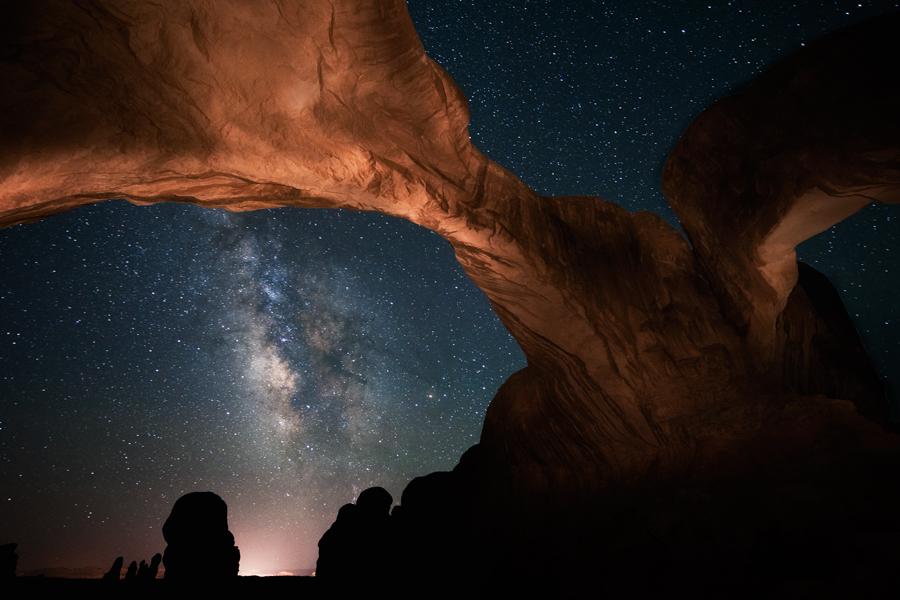
There are three arches visible in this picture. Two of which are those of the Double Arch in Arches National Park in Utah. The third is the majestic arch of the milky way, far off in the distance. The arches of the Double Arch are made of sandstone, which consists of many tiny grains of quartz and feldspar cemented together. In a way, the third arch of the galactic plane is similarly comprised in that it's appearance is the result of millions of individual stars and countless particles of gas and dust. It is this similarity which is illustrated here that makes this photo so interesting for me.

Friday, May 20, 2011

APOD 4.7

Picture from May 13, 2011

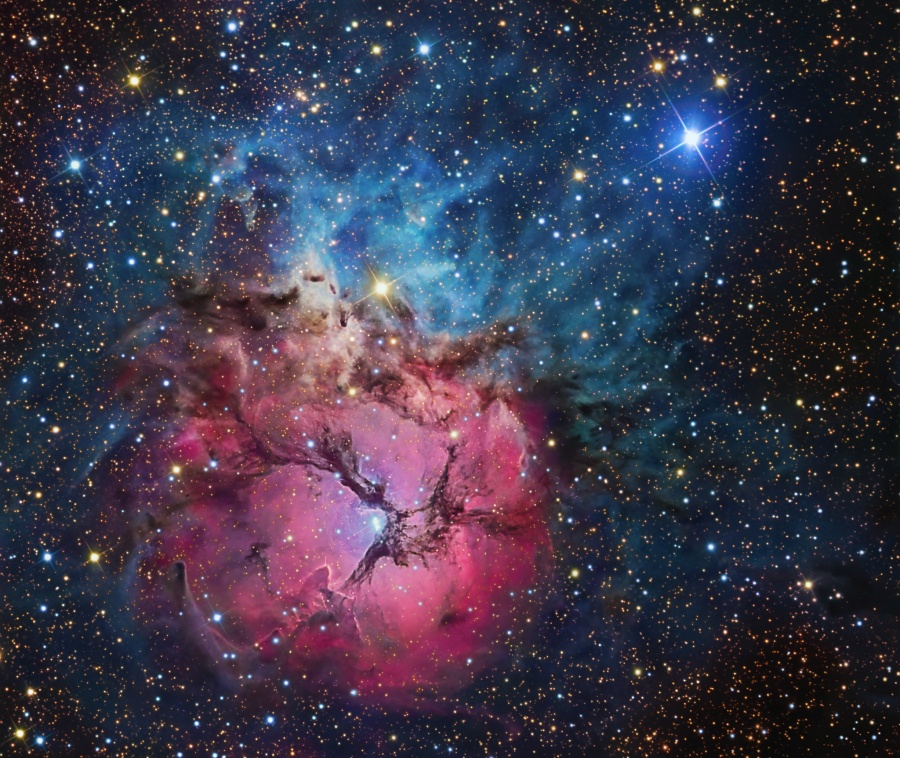
This stunning photo is of the object known as the Trifid Nebula. The nebula, also known as M20, is about 40 light years across and located in the constellation of Sagittarius, which contains many star forming regions due to being in the direction of the galactic center. The Trifid actually portrays three types of nebulae: red emission nebulae, blue reflection nebulae, and dark absorption nebulae. The emission nebula is seen in the center, with the dark nebula interspersed within it and the reflection nebula around it. As you may have guessed, this three part structure is where the Trifid gets its name.

Tuesday, May 17, 2011

Biography of Subrahmanyan Chandrasekhar

Biography of Subrahmanyan Chandrasekhar

    Subrahmanyan Chandrasekhar was an Indian-born American astronomer of the 20th century. The majority of his work focused on the structures and life cycles of stars. His most prominent studies were conducted on the subject of radiation emitted from stars, particularly white dwarf stars. He was the first to discover that higher mass white dwarfs have smaller radii, and made many contributions to astrophysics regarding stars, including the establishment of the Chandrasekhar limit.
    Chandrasekhar was born on October 19, 1910, in Lahore, India (which today is part of Pakistan) as the first son of what would eventually be a family of 12. Chandra received his first education from his parents starting at age 5. His mother taught him Tamil and his father taught him English and arithmetic. Quite early on, Chandra already had his sights set on being a scientist of some description, and to that end he began to study physics and calculus on his own. By 1918, the family had moved south to Madras where he was taught by tutors until 1921, when he enrolled in Hindu High School in Triplicane. Quickly becoming the head of the class, Chandra finished high school by age 15, at which time he began attending in Presidency College in Madras. Despite his father’s wishes that he pursue physics, Chandra’s studies were mainly focused on mathematics.
    After Chandra graduated with an M.A. in 1930, he set off for Trinity College, Cambridge, courtesy of a special government scholarship. During the long journey from India to Cambridge, Chandra began working out his own theory on stellar evolution. Inspired by his idea, Chandra turned to astrophysics studies once he arrived at Cambridge. In 1932, he was inducted into the Royal Astronomical Society. It was at one of the meetings of the RAS that Chandra stated his ideas about the stellar life cycle, specifically that not all stars that deplete their hydrogen reserves can end their lives as stable white dwarfs. If the mass of an evolving star exceeds a certain limit, he proposed, the star may instead go supernova, and become an even denser neutron star. This mass limit, which was eventually calculated to be 1.4 solar masses, would be known as the Chandrasekhar limit, and would become the discovery that made Chandra a name for himself. Unfortunately, the theory wouldn’t actually be widely accepted for another 20 years.
    Chandra then spent time at Harvard University from 1935-1936, was offered a research position at the Yerkes Observatory in Williams Bay, Wisconsin, and would eventually move to the United States as a permanent resident. During World War II, he was employed at Aberdeen Proving Ground in Maryland doing research in ballistics and shock waves. In 1942, he was promoted to associate professor of astrophysics at the University of Chicago, and around 1944, shifted his research from stellar dynamics to radiative transfer. Chandra became an official U.S. citizen in 1953, and despite receiving numerous offers from all over the world, he never left the University of Chicago until 1980, when he voluntarily retired. Throughout his career, he received numerous awards and accolades, including the National Medal of Science of the United States, the Lincoln Academy Award of Illinois, and the Nobel Prize in Physics. Chandrasekhar died on August 21, 1995, at the age of 84.

Sunday, May 15, 2011

Chandrasekhar Bibliography Sources

"Subrahmanyan Chandrasekhar." Encyclopedia of World Biography. 2nd ed. Vol. 3. Detroit: Gale, 2004. 426-429. Gale Virtual Reference Library. Web. 15 May 2011.

"Subrahmanyan Chandrasekhar." Science and Its Times. Ed. Neil Schlager and Josh Lauer. Vol. 6: 1900 to 1949. Detroit: Gale, 2000. 502. Gale Virtual Reference Library. Web. 15 May 2011.

Friday, May 6, 2011

APOD 4.6

Picture from May 3, 2011

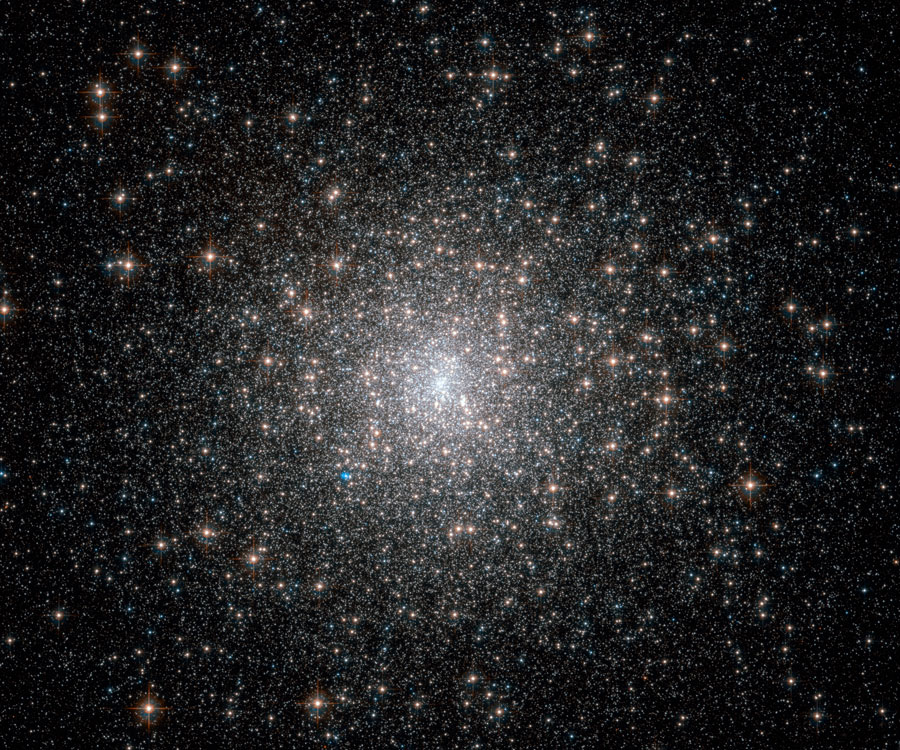
This is the globular cluster known as M15 in the constellation of Pegasus. A globular cluster is a large grouping of stars held together by only their own gravity. This particular cluster is about 35,000 light years away, consists of more than 100,000 stars and, like most globular clusters, dates back billions of years to the early days of the Milky Way galaxy. M15 is noted for being easily visible with binoculars and has one of the densest known star concentrations near its center, which recent evidence suggests actually contains a black hole.

Friday, April 29, 2011

APOD 4.5

Picture from April 27, 2011

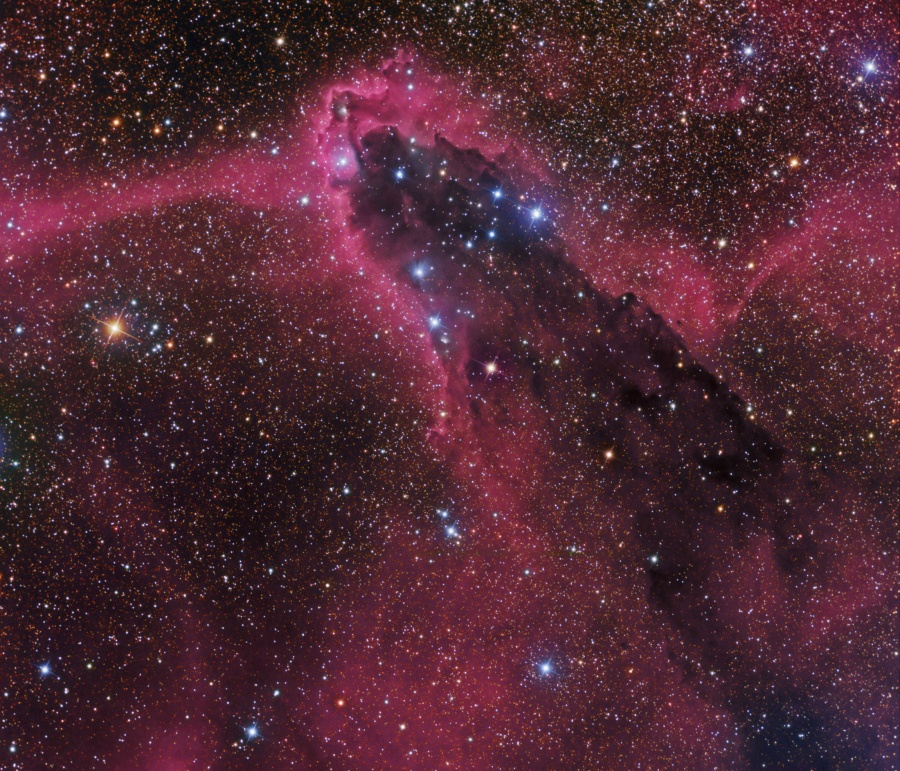
This is dark region of gas and dust is known as NGC 6231. In the constellation of Scorpius, it is sometimes called the "Dark Tower" because of its shape and ominous presence. The structure itself, which spans almost 40 light years and is some 5,000 light years away, was shaped by a barrage from ultraviolet radiation from the nearby OB association (a small, young group of hot, massive stars) of stars. This is the same radiation that causes the surrounding reddish glow through interactions with hydrogen gas. The large amount of stars in the background is due to the fact that Scorpius is in a direction close to that of the center of the galaxy, where the density of stars is much higher.

Thursday, April 28, 2011

Astronomy Cast - Ep. 214: Space Tourism

This episode of Astronomy Cast focuses on the prospect of civilian space travel, or "space tourism," a topic of great interest for me. Space tourism is, of course, currently not a highly developed industry to say the least. The hosts talk about how 0-g flights are probably the closest thing to space travel that untrained space tourists can hope for today. These flights consist of a plane that flies in a parabolic path so that on the way up gravity feels intensified, but on the way back down passengers experience the sensation of weightlessness. Also, Space Adventures, the company that offers these 0-g flights, also has a program that allows prospective space travelers train alongside astronauts (for a large sum of money). This allows them to actually go into space in the International Space Station for upwards of 10 days. Looking towards the future, however, there are several projects in the private sector being worked on with the goal of allowing regular people to experience sub orbital flight (and eventually, orbital flight) for a reasonable price. The most prominent of these projects is the one headed by Richard Branson and and his Virgin Enterprises, which has already had successful test flights. I think what's interesting to imagine is what opportunities might be available in the future, especially with the talk of an outpost on the moon. I certainly hope that this industry will see much more development in my lifetime.

Wednesday, April 27, 2011

Zooniverse Update 2

Lately on Zooniverse I've been focusing more on Galaxy Zoo. I have noticed an unfortunate trend which is that a good many of the pictures are of what look like blurry, amorphous objects. This makes it difficult at times to properly classify the galaxies. However, some pictures, especially those on Galaxy Zoo 2, are quite clear and magnificent. These pictures are often of quite interesting galaxies as well. I have seen several well-defined spirals, as well as a picture of two galaxies that appeared to be interacting. I'm curious about some of the other "odd" things that can appear, such as how a ring or arc might look, and am hoping to come across one of those in the future.

Sunday, April 24, 2011

APOD 4.4

Picture from April 24, 2011

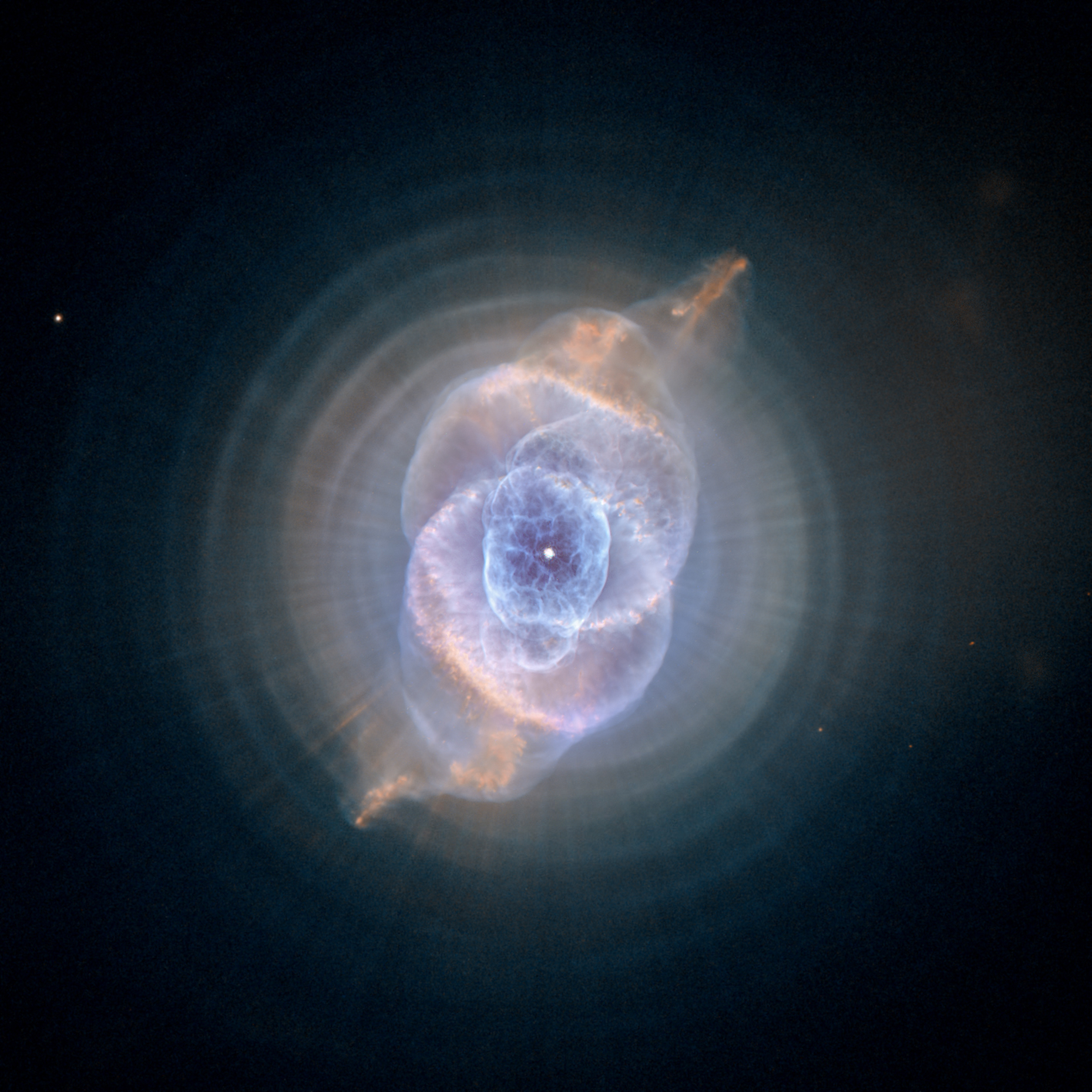
This celestial eye staring through space is none other than the Cat's Eye nebula. The nebula is a prime example of a planetary nebula, which actually has nothing to do with planets. Planetary nebulae are instead the result of dying stars expelling their outer layers. The star shrugs off the layers in a series of regular convulsions, producing the of concentric "shells" seen in the picture. After all the expelled material has been dispersed into space, all that will remain is the white dwarf star in the center. This is also the predicted fate of our own sun when its life comes to an end some 5 billion years from now.

Thursday, April 21, 2011

APOD 4.3

Picture from April 21, 2011

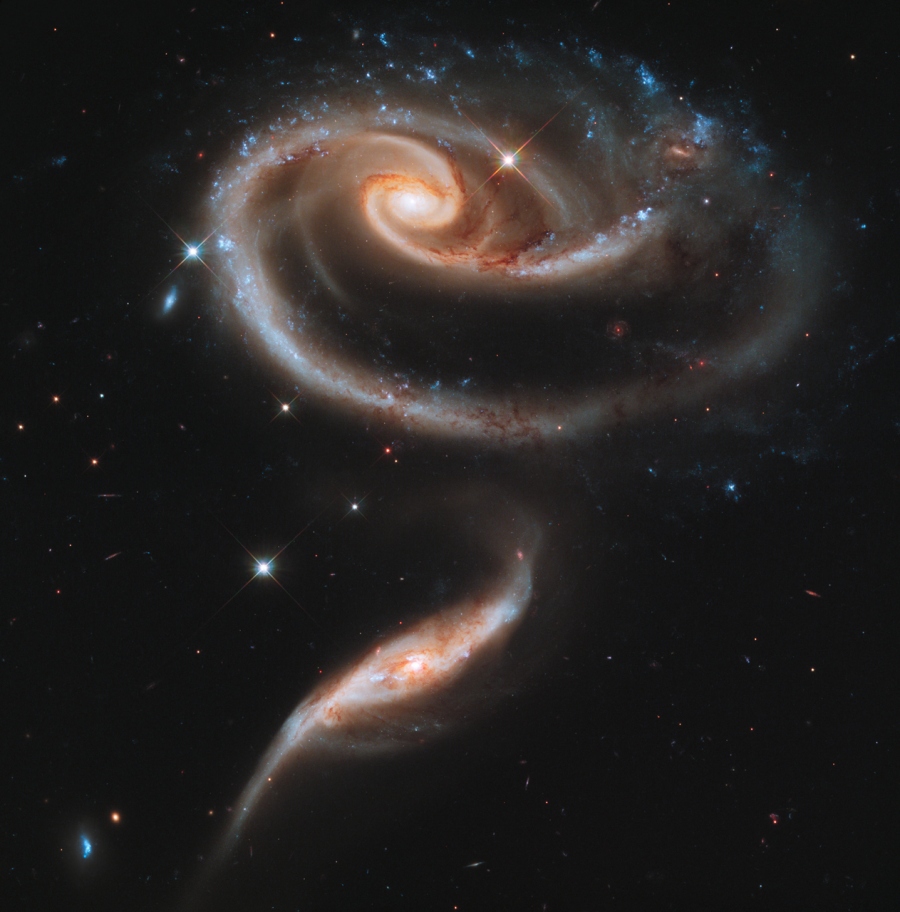
The bright stars in the foreground of this picture are inside our own Milky Way Galaxy. However, the two galaxies in the background that are the subject of the photo are over 300 million light-years distant. The galaxies, known as Arp 273, are very close together for galaxies (a little over 100,000 light years), and appear in this picture to be distorted. This is due to their gravitational interaction as they engage in close encounters. Despite the unusual appearance, galactic interactions and mergers are quite common in the universe. In fact, the Milky Way and its cosmic neighbor, the Andromeda Galaxy, are expected to have a similar interaction in the distant future.

Sunday, April 10, 2011

Zooniverse Update 1

In the Zooniverse project, I have been mostly focusing on Planet Hunter. I have found that in many cases, I have found that locating the transit features is very subjective, and they are rarely very apparent. There was even one instance where the system inserted a simulated planet in the light curve that seemed virtually undetectable. There was, however, one star (which I marked as a favorite) where the curve seemed to show very clear transit features much more dramatic than any of the others. I have also done some work in Galaxy Zoo classifying galaxies. The majority of the galaxies appear to just be "smooth," but some are pretty interesting. A few that I saw were highly irregular, which I found interesting.

Friday, April 8, 2011

APOD 4.2

Picture from April 6, 2011

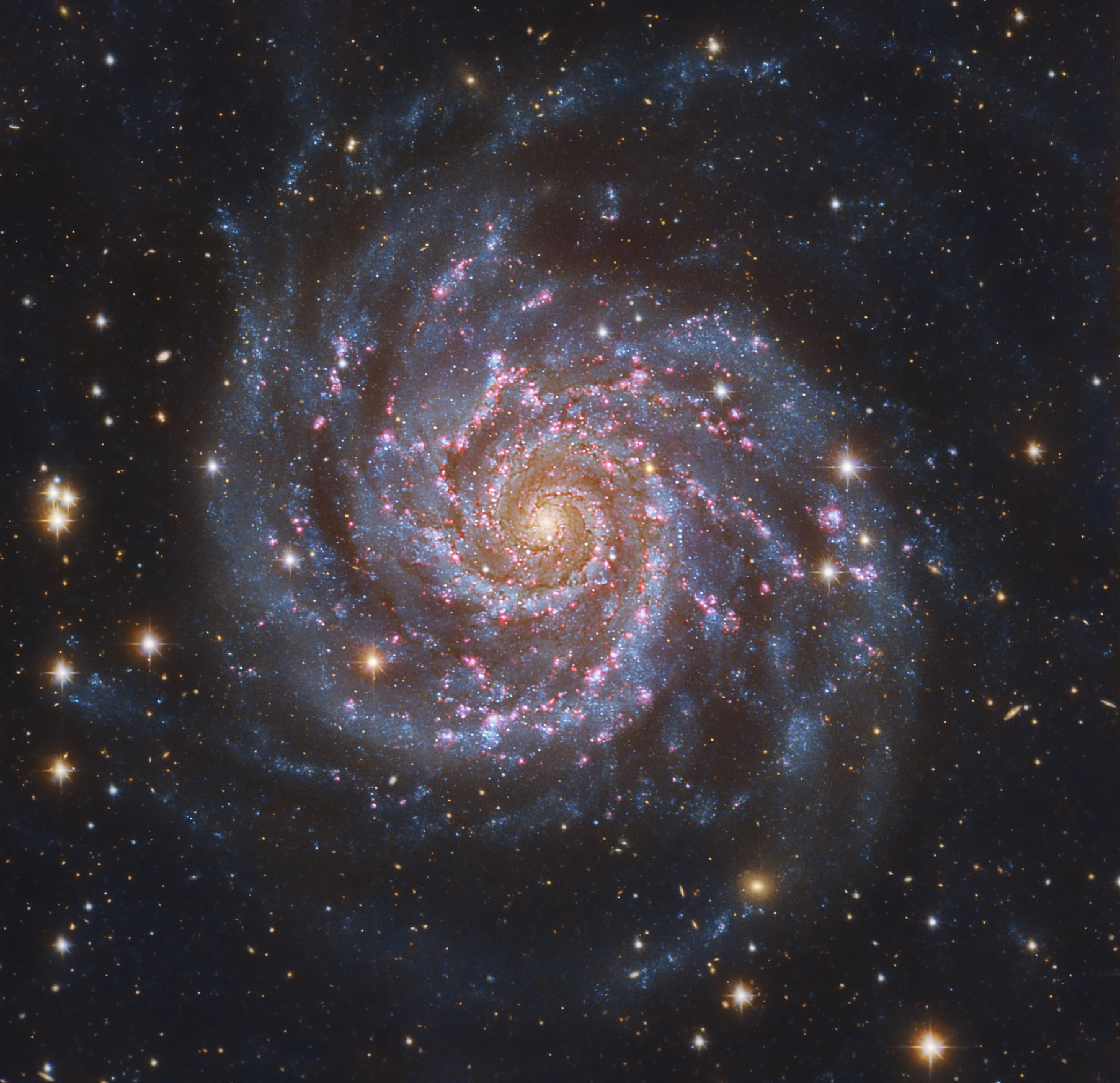
This galaxy happens to be the spiral galaxy M74 in the constellation of Pisces. It is a highly photogenic galaxy due to the face that we have a nearly perfect face-on view of it. It is classified as an Sc galaxy on the Hubble sequence due to its relatively loosely wound spiral arms, which are traced by bright blue star clusters and dark cosmic dust lanes. The red in the picture is from star-forming regions and is visible due to the exposures taken from hydrogen atom emissions. The picture itself spans about 1 degree of the sky (the radius of the full moon) and was taken with 19 hours of exposure using a 1.23-meter telescope.

Thursday, March 31, 2011

APOD 4.1

Picture from March 30, 2011

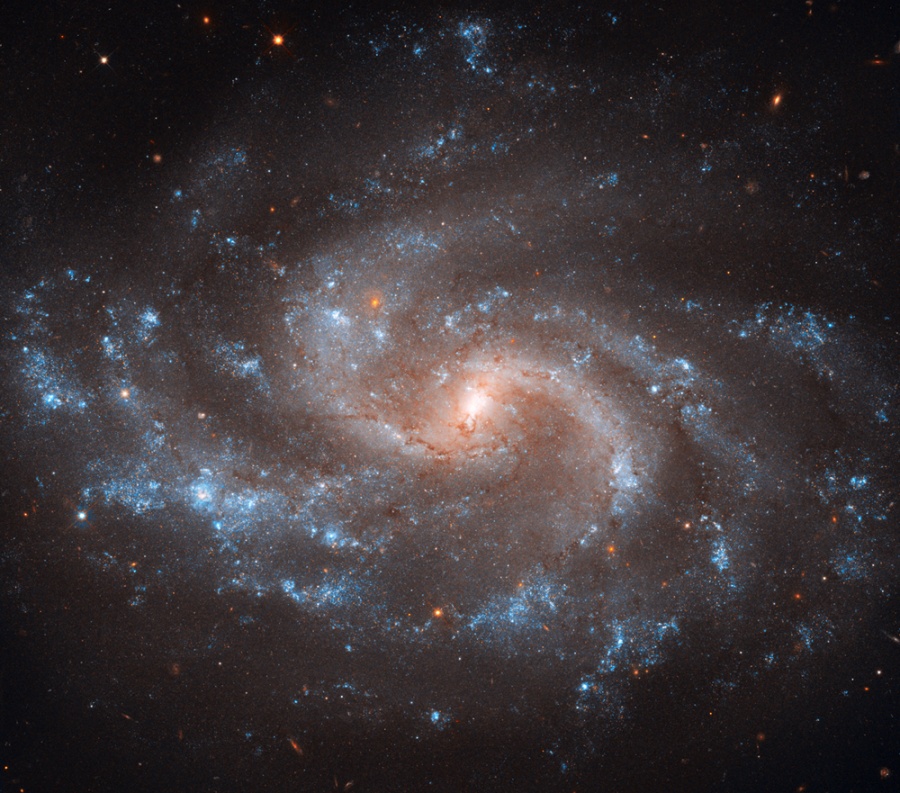
This is the spiral galaxy know as NGC 5584. The galaxy is over 50,000 light-years across and some 72 million light-years away in the constellation of Virgo. The galaxy, with its bright young stars and dark dust lanes, is really a beautiful sight. However, there was also a recent type Ia supernova (the explosion of a white dwarf star) in the galaxy, useful tools in determining distances in the cosmos. Data gathered from the supernova, as well as 7 other galaxies, is being used to determine Hubble's Constant - the expansion rate of the universe. The results of this effort seem to support the theory that dark energy, a mysterious force that we cannot detect, is accelerating the expansion of the universe.

Tuesday, March 29, 2011

Astronomy Cast - Ep. 213: Supermassive Black Hole

On this episode of Astronomy Cast, the hosts discussed a relatively recent development in astronomy, Supermassive black holes. There is now thought to be one at the center of every galaxy in the universe, including our own Milky Way. Their discovery is a result of observing the orbital speeds of stars close to the center of the galaxy. They were observed to be moving at phenomenal speeds, and the calculated mass of the object they are orbiting was found to be millions of times more massive than the sun. Exactly how they came to be so much more massive than black holes made by collapsing stars is still poorly understood. They could not have been formed in the big bang, as all models predict an even distribution of mass in the early universe. Some other theories suggest that they could have been formed over time by simply accruing a lot of material. However, this process would take a very long time (longer than the time a stellar black hole would have had to grow to the size of a supermassive one) due to the fact that not all matter that approaches a black hole falls in. A lot of the matter is actually jettisoned through jets near the poles of the black hole. The matter is jettisoned with very high energy at relativistic speeds at both poles of the black hole. Strangely, when these jets are faced towards us the physics involved with them causes the matter to appear to be moving faster than light speed. The only thing stopping them from actually achieving such speeds is the relativistic effect of the black hole itself, which actually slows down time around it.

Sunday, March 27, 2011

Observation 3/26/11

Tonight at Astronomy Night, we observed the bright stars of the Winter sky begin to appear as the sun set. Starting with Sirius, the whole of the "Heavenly G" (Aldebaren, Capella, Castor, Pollux, Procyon, Sirius, Rigel, and Betelgeuse) came into view, as well as the other first magnitude star, Canopus. To the northeast, part of the Big Dipper of Ursa Major was visible, which pointed the way to Polaris, the pole star. Through binoculars, I also observed the star clusters of Taurus (the Pleiades and the Hyades), as well as the faint glow of the Orion Nebula. The asterism of "the kids" in the constellation of Auriga was also observed.

Friday, March 18, 2011

APOD 3.8

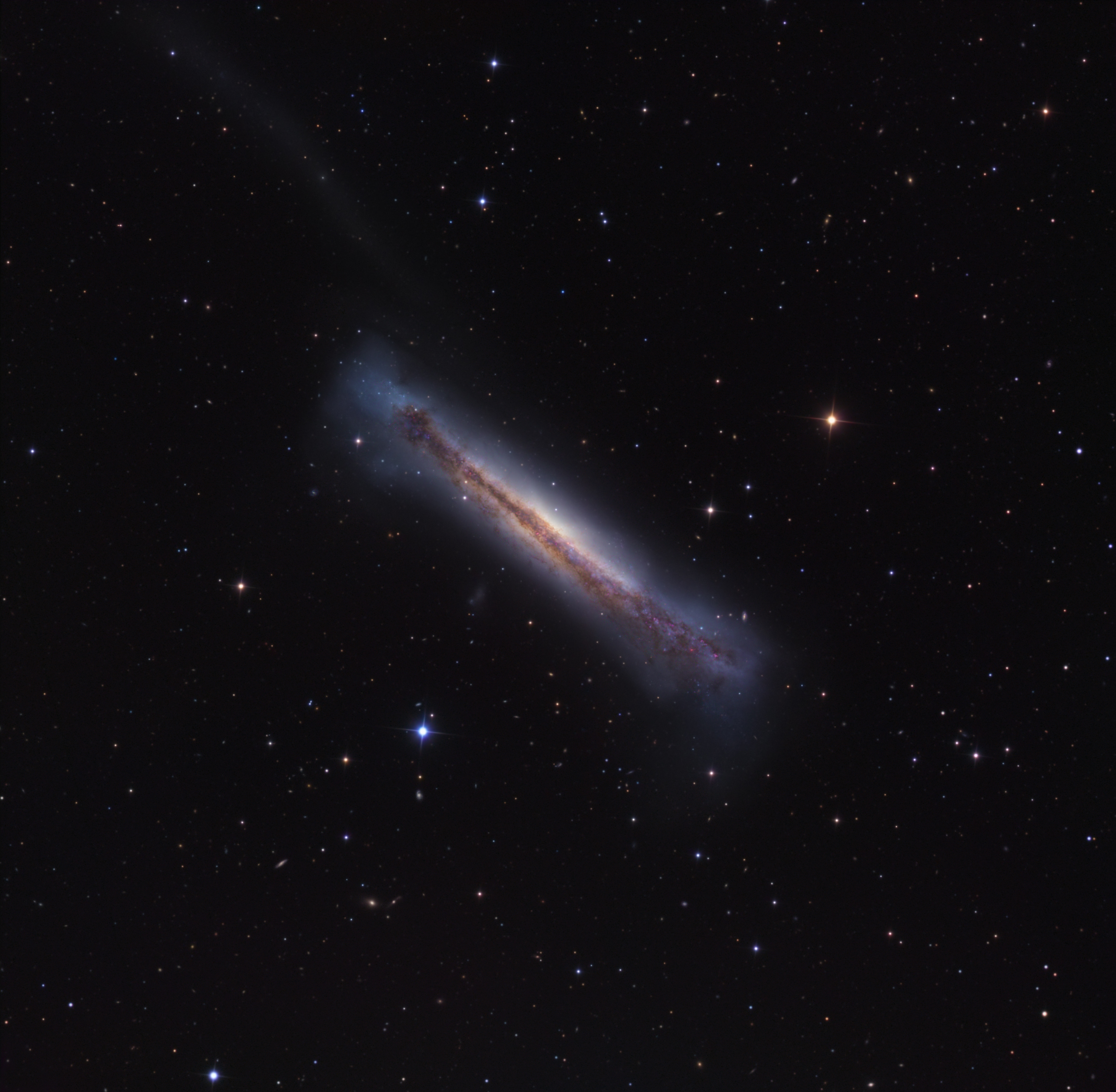
This is a picture of the galaxy NGC 3628. It is a galaxy some 35 million light years distant in the springtime constellation of Leo the Lion which astronomers suspect is a spiral galaxy. It is somewhat difficult to determine the structure of the galaxy because, as you can see, we only have a view of the edge. However, dust lanes are seen to cut across the middle of the galaxy, suggesting that it is a spiral galaxy. It is somewhat similar in size to our own Milky Way, but the disk seem to fan out near the edge. To the upper left in the image, a "tidal tail" (long stretch of material reaching out of the galaxy) is visible. This suggests that the galaxy is interacting gravitationally with the other 2 galaxy in the Leo Triplet (a group of 3 galaxies in Leo), M66 and M65.

Sunday, March 13, 2011

APOD 3.7

Picture from March 12, 2011

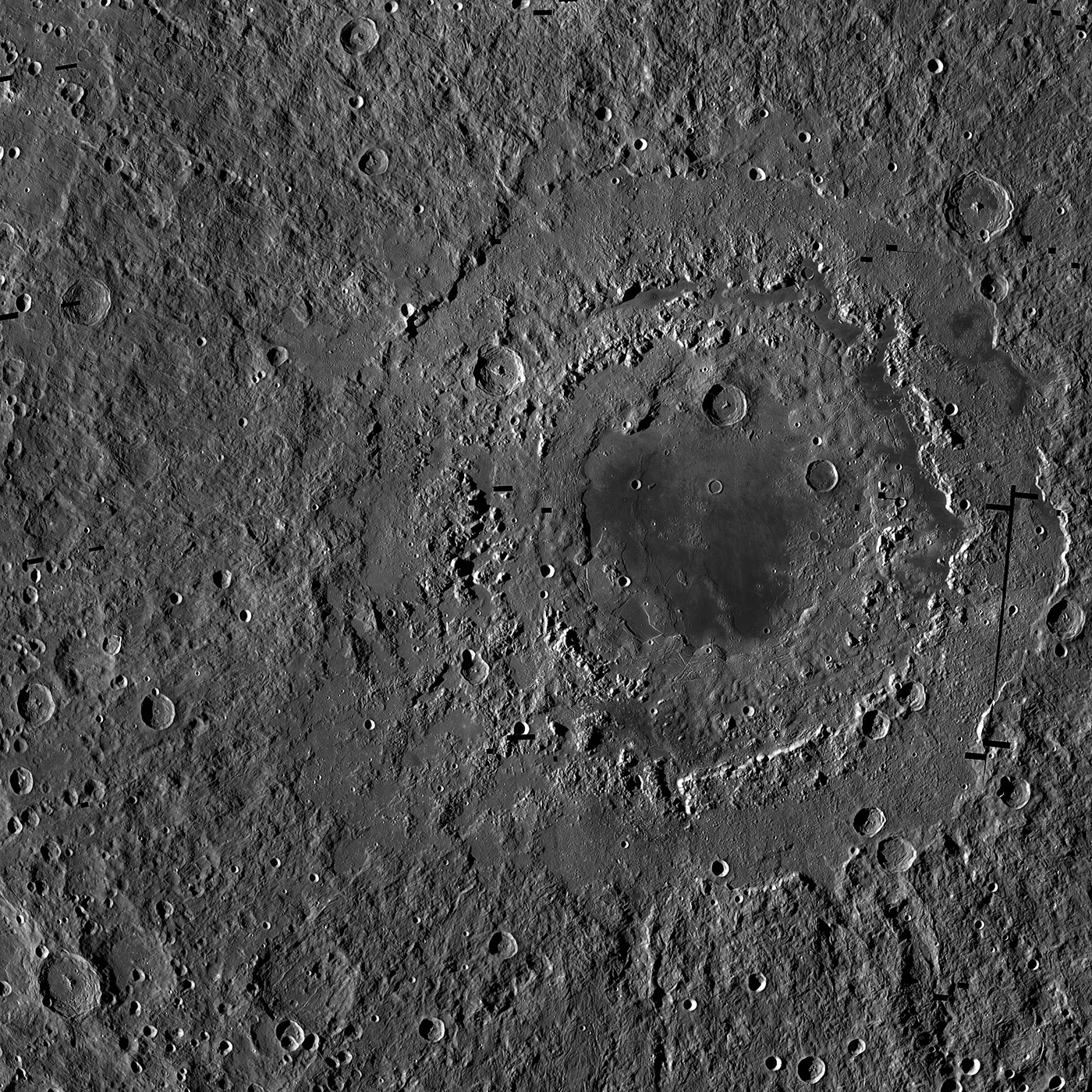
This is a mosaic image of the Mare Orientale, a prominent feature on the moon. From a terrestrial perspective, it would be just barely on the moon's western edge, making it difficult to see. This mosaic of the impact basin was made from pictures taken by the Lunar Reconnaissance Orbiter. The Mare Orientale (Italian for "Eastern Sea") is the youngest large impact basin on the moon, despite being some 3 billion years old. It is 600 miles across, and was formed by a collision with an asteroid, which subsequently caused a rippling effect in the lunar crust. The reason these regions are called "seas" despite being located on our dry and barren moon dates back to a time when astronomers were only able to see them as big dark spots that resembled bodies of water.

Friday, February 25, 2011

Biography of Edward Emerson Barnard

Biography of Edward Emerson Barnard

    Edward Emerson Barnard (commonly known as E.E. Barnard) was an American astronomer, born in Nashville, Tennessee. He is most famous for his discovery of the fifth satellite of Jupiter, which made him the first to discover a new moon around the gas giant since Galileo. He was also a prolific in astrophotography, collecting 1400 negatives of comets and almost 4000 plates of star fields, primarily the Milky Way. He also published more than 900 papers.
    Edward was born on December 16 of 1857 as the second son of Reuben and Elizabeth Jane Haywood Barnard. His father had already died by then, and his family became impoverished. He received only 2 months of formal schooling, and was forced to take on a job at a portrait studio at the age of 8 (going on 9). It was here that he became familiar with photography, and developed a strong interest in astronomy on the side. While it’s hard to say exactly when Barnard’s first astronomical experience was, he recalled in an article he wrote in 1907 that as a child he felt very familiar with the stars and their seasonal patterns. In 1876, Barnard bought himself a 5-inch telescope for $360, roughly two thirds his total annual income. Between 1876 and 1880, he made many observations of the heavens, and kept meticulous notes. By 1881, he had already made a name for himself as a skilled comet seeker. He was told that he could never make it in astronomy unless he knew mathematics or could find comets, so he hired math tutors and looked for comets. In September 1881, he discovered the comet 1881 VI, and just about a year later discovered the comet 1882 III.
    Barnard benefited from formal training at Vanderbilt University from 1883 to 1887, where he played the role of both student and instructor. He continued observing the sky, with both his 5-inch telescope and the university’s 6-inch telescope that he now had access to. In November of 1883, Barnard discovered that the star Beta Capricorni was a binary system when he saw that the star’s light did not instantly disappear when it was occulted by the moon. In 1887, Barnard was offered a position in the Lick Observatory in California, and in September of that year went to California to take them up on the offer. Just a year after the observatory opened, Barnard had discovered four new comets: 1888 V, 1889 I, 1889 II, and 1889 III. It was here that photographing the Milky Way became an important endeavor to Barnard. However, lack of sufficient funds for equipment made his initial labors very difficult. He was forced to use a small telescopic camera made from a 2.5 inch portrait lens. This, along with the fact that the photographic material available then was not very sensitive, necessitated very long exposure times when taking pictures. In spite of these difficulties, Barnard’s photos were able to reveal much about nebulae and star-clouds that was previously unknown.
    In the summer of 1892, Barnard was granted access to the 36-inch great refractor for one night per week. One night, he discovered a very dim object near Jupiter. By its motion relative to the planet, he could tell it wasn’t a star, but before he got a chance adequately observe it, it disappeared in the planet’s glare. He was given special permission to use the great refractor the following night, which is when he was able to affirm that it was indeed a fifth satellite of Jupiter. For this, in combination with his other discoveries and contributions, he was awarded several awards, including a D. Sc. from Vanderbilt.
    After his work at Lick Observatory, Barnard moved to the Yerkes Observatory in Wisconsin in October of 1895. Most of his work there involved visual studies of variable stars, novae, double stars, and faint satellites. He detected gross spectral changes in novae not with a spectroscope, but by observing the change in focus of the light. He also discovered a star that until 1968 had the fastest know proper motion of 10 arc seconds per year. Today the star is known as Barnard’s Star.
    Barnard and his wife never had children, and in 1921, his wife passed away. He became very depressed, and his work, which up until now continued to consist of frequent observations, started to slow. He was stricken with illness in late December of 1922 and died on February 6, 1923.
APOD 3.6

Picture from February 24, 2011

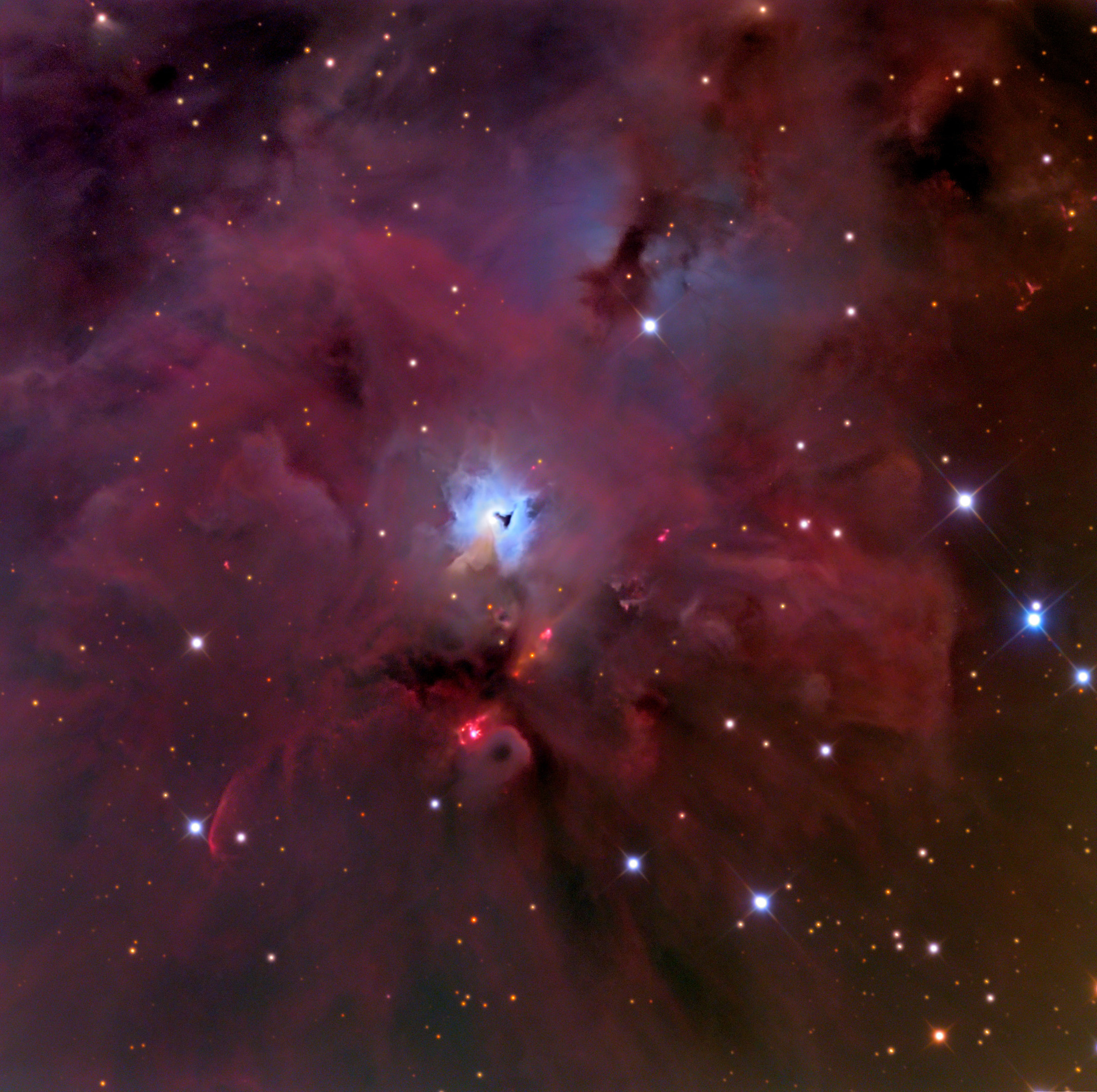
This is the reflection nebula known as NGC 1999. This star-forming region lies just south of the Orion Nebula in the constellation of Orion the Hunter. The embedded variable star V380 Orionis is visible as the bright blue light in the center. The dark T-shaped area below the star was once thought to be an absorption nebula silhouetted against the brighter nebula. However, it is now thought to actually be a hole in the nebula itself cause by the radiation from young stars dispersing the gas. The region has a large amount of young stars whose radiation produces numerous shock waves through the gaseous nebula.

Tuesday, February 22, 2011

Stargaze

At the February 20th stargaze, we examined the night sky from around 7:00 PM to about 9:00 PM. Among the objects observed were the 10 first magnitude stars visible that night: Betelgeuse, Rigel, Canopus, Regulus, Aldebaran, Capella, Castor, Pollux, Procyon, and Sirius. We also observed the star clusters of M41 in Canis Major and the Pleiades in Taurus. We examined the nebulosity (the gaseous part) of the Orion Nebula. Additionally, we observed the planet Jupiter (which through the telescope could be seen with some slight coloration) along with the Galilean moons.